
Independent analysis
Mindset
in Space
A clear look at human spaceflight, comparing habitats and places using public sources.
Projects
v2.4 · November 2026
Future Space Habitats
A Global Comparison: Volume · Crew · Power · Water recovery. 16 habitats from commercial low Earth orbit (LEO) stations to lunar landers and rovers, compared on the same four measures with 57 cited sources.
Open the comparison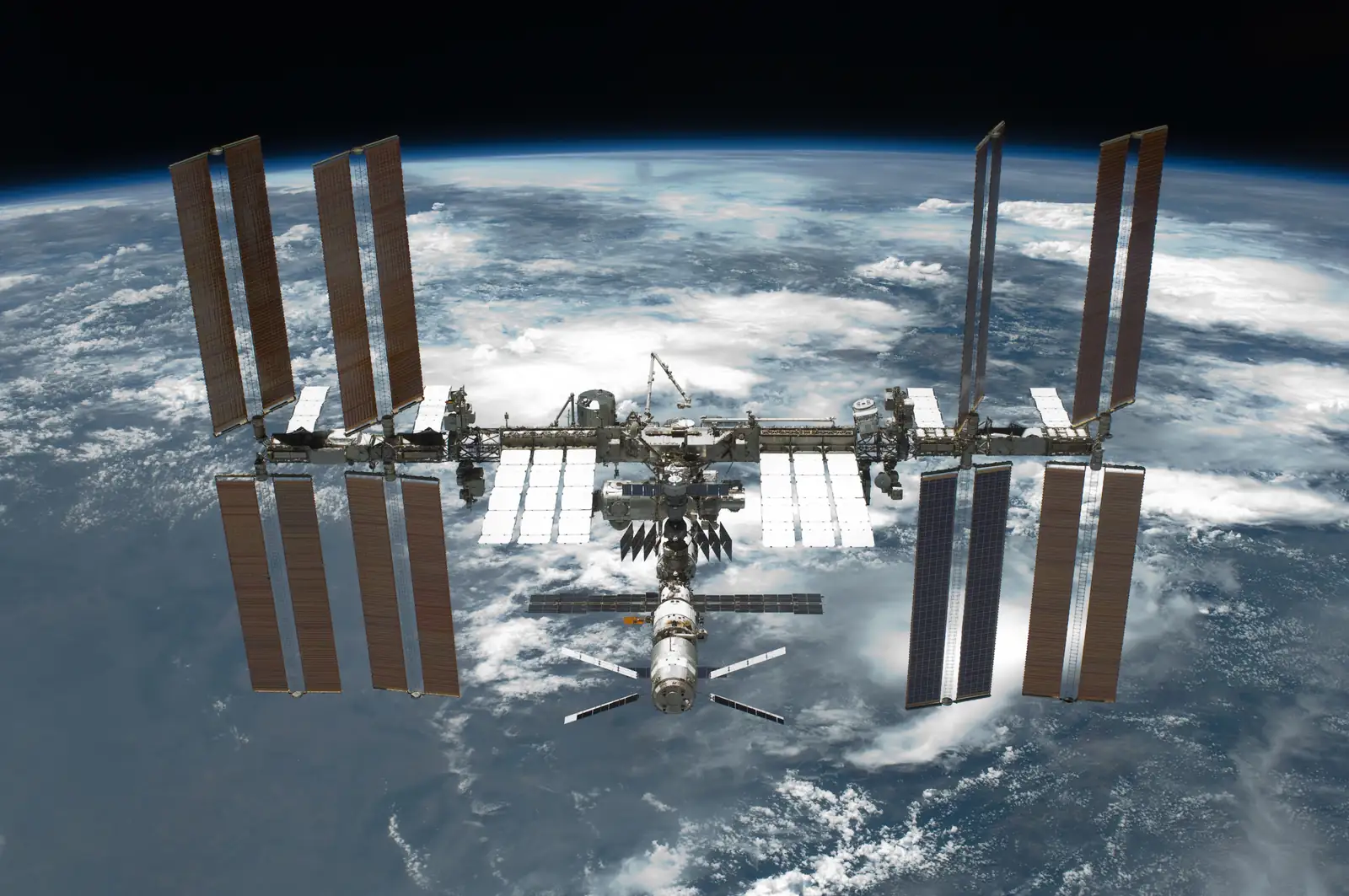
v1.0 · November 2026
Habitat Locations
Low Earth orbit and the lunar south pole, compared on gravity, radiation, sunlight, temperature, contact with Earth and time to get home. It covers the nine Artemis III candidate regions (the areas NASA named in October 2024 as possible landing regions), with 37 cited sources and plain TBDs (to be determined) where no public source exists yet.
Open the locations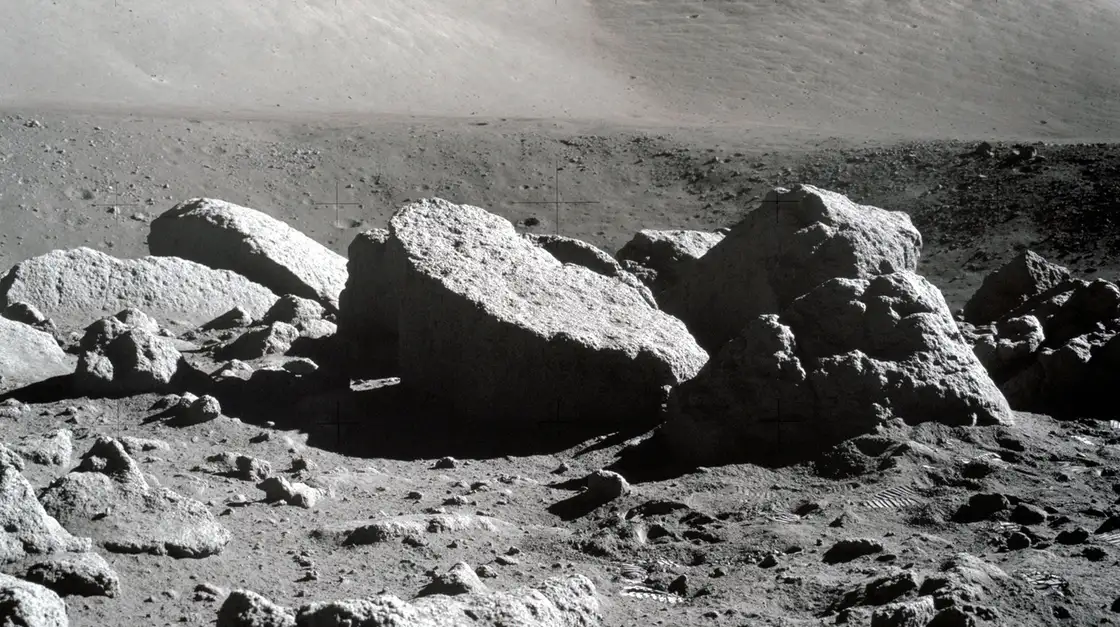
About
Behind the analysis

Matthew Freeman
Systems and Data Analyst, Boeing · Master of Science (MS) in Engineering Management · Certified Systems Engineering Professional (CSEP), International Council on Systems Engineering (INCOSE)
American Institute of Aeronautics and Astronautics (AIAA) member: Space Settlement Technical Committee
Matthew is a U.S. Air Force veteran in meteorological and navigation (METNAV) systems and a Systems and Data Analyst at Boeing, where he owns day-to-day operations for defense technical-authoring platforms: deployments, incident response, access control, and disaster recovery with software engineers. He previously served as a Telemedicine Program Manager (GS-12, a federal General Schedule pay grade) at the Veterans Health Administration, standing up clinic programs and supervising a mostly remote team of ten. He built this site as an independent, personal project to standardize public data on space habitats. The site is independent and not affiliated with or endorsed by Boeing, the U.S. Air Force, the U.S. Department of Veterans Affairs (VA), or AIAA; the views expressed are his own.